

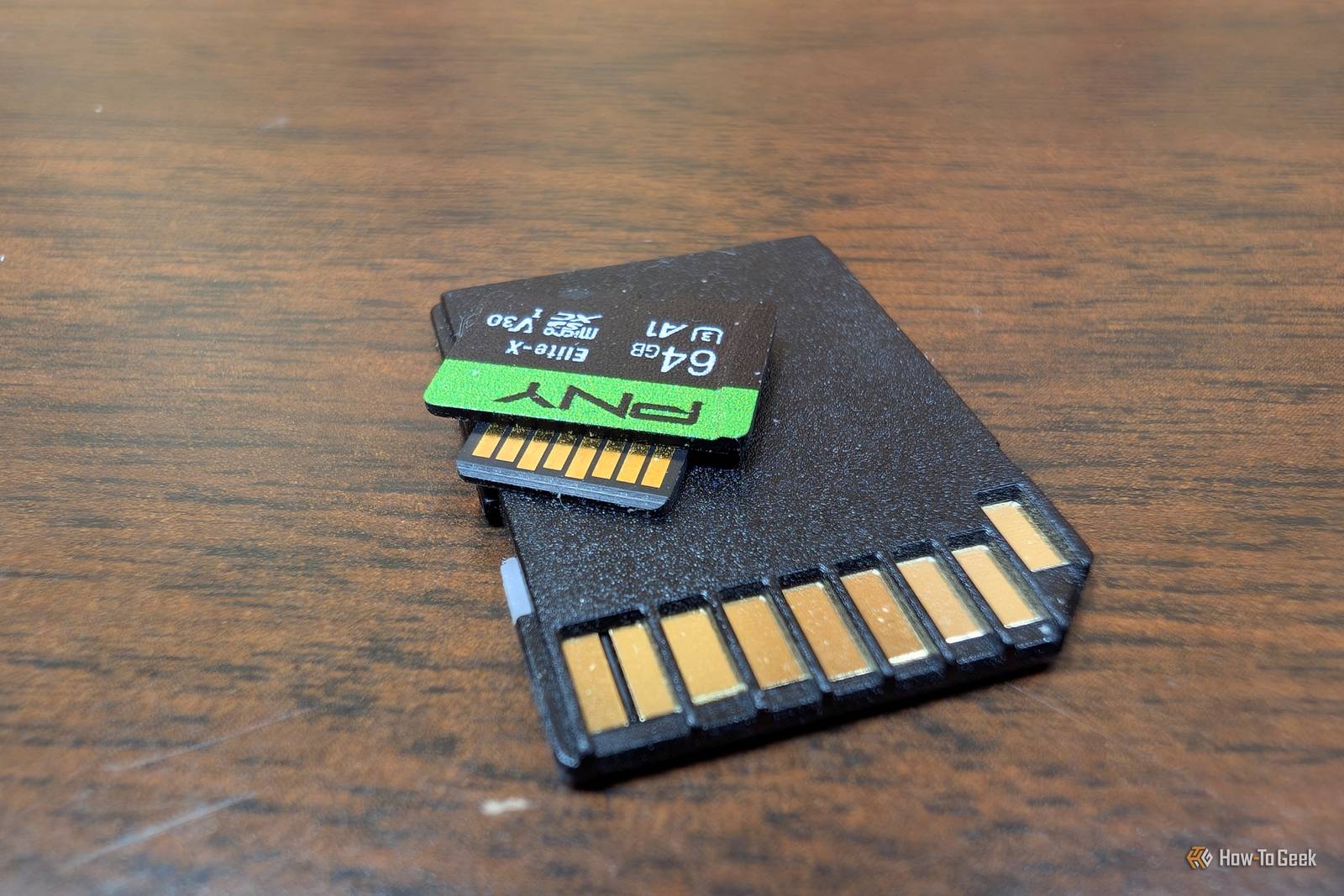
If you have bought a memory card or an external drive from an online marketplace lately, it is worth a second look. Counterfeit SD cards and SSDs have been a problem on storefronts like Amazon, eBay and AliExpress for years, and it has grown worse as memory shortages push storage prices up with little relief in sight. When the genuine article gets expensive, the fakes get more tempting – and more common.
The trick is almost always the same. A counterfeit card is a small, cheap chip that has been reprogrammed to report a much larger capacity to your computer. A 32GB card tells Windows it holds 1TB. Everything looks fine when you plug it in. Files copy across without an error. The damage only shows up later, when you go past the real capacity: new files overwrite old ones, or they write to nowhere at all. You do not find out until you go looking for something and it is gone or corrupted.
That is a nasty failure mode for a business, because the places these cards end up are exactly the places you least want a silent failure – site photos, security camera footage, a handheld backup, records you are legally required to keep.
A few practical habits go a long way. Buy storage from an authorised retailer rather than a marketplace reseller, and treat a price well under the going rate as a warning rather than a bargain. Before you trust a new card or drive with anything real, fill it to capacity and read it back to confirm the space is genuinely there – free tools exist for exactly this. And never let a single card or drive be the only copy of anything that matters. A backup that has never been checked is not a backup.
If you are not sure what your business data is actually sitting on, that is worth an hour of someone’s time before it becomes worth a week of it.
Worried this affects your business? Get a free 15-minute IT check – call Trends IT on 0485 011 911 or visit /contact/.