

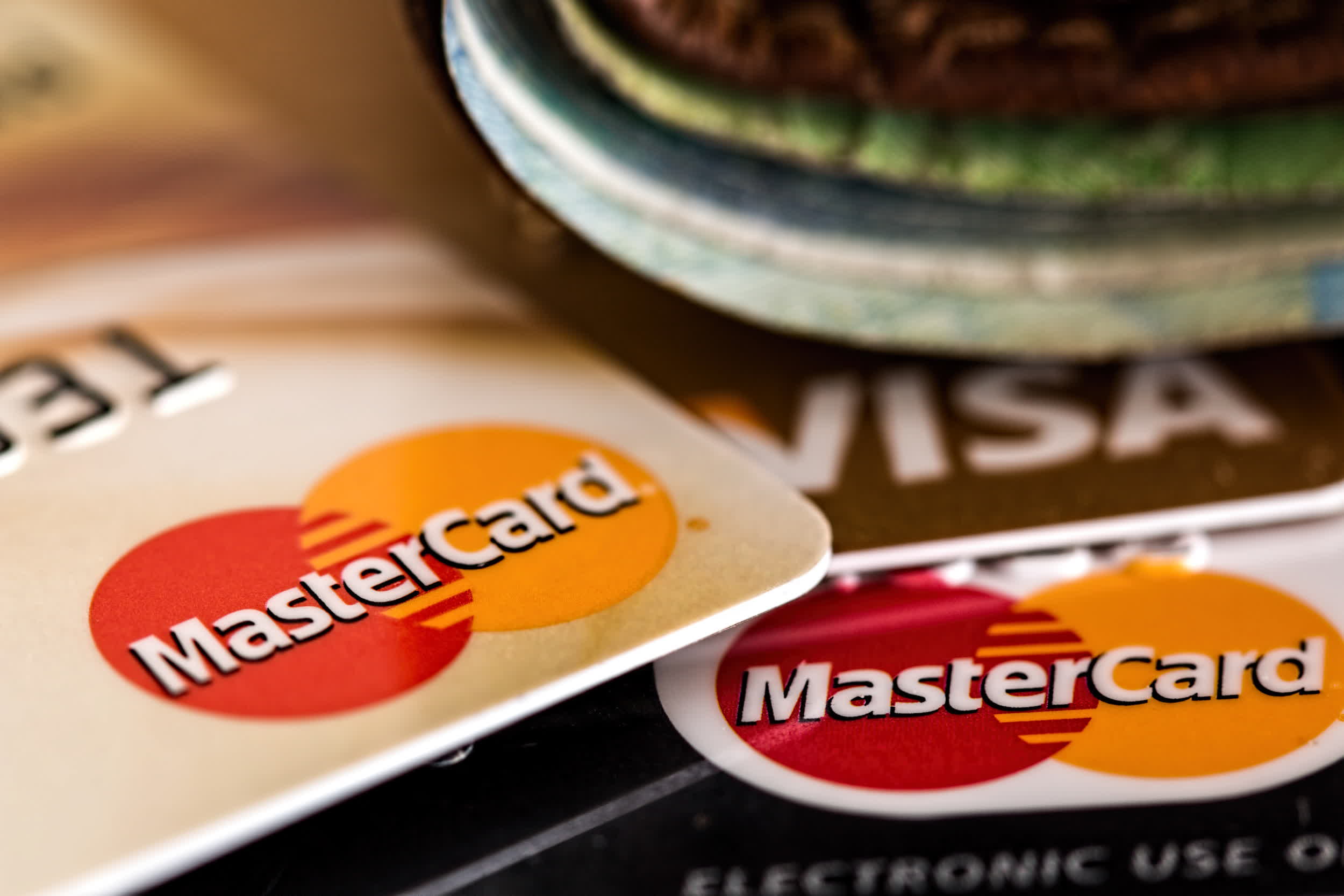
Plenty of Australian shoppers had an awkward moment at the checkout on Saturday. A scheduled Mastercard system update went wrong and started declining transactions, and for several hours it affected card payments, mobile banking, Apple Pay and cash withdrawals. Reports on Downdetector peaked at more than 1,700 by 3pm before falling away, and Mastercard confirmed the problem the same day and said its network was back to normal by the end of it.
It is worth being clear about what this was. An outage, not a breach. No card details were stolen and nobody was hacked. The payment network simply stopped approving transactions for a few hours, and Mastercard has not said what the update was meant to do.
That is still a real cost if you sell to the public. A busy Saturday afternoon with no way to take money means walked sales, and some of those customers do not come back later. TechSpot reported that some shoppers left their trolleys behind and went home for cash.
The useful question is not whether a payment network will have another bad day, because it will. It is what the person on your counter does in the first ten minutes when transactions start failing. A few things are worth sorting out before that happens:
- Have a second way to get paid. A terminal from a different provider, a payment link you can text, or simply accepting cash again for the afternoon.
- Know how to tell an outage from your own fault. Check your provider’s status page before anyone starts unplugging hardware or rebooting the till.
- Give your staff a line to use. Customers are far more patient when they are told what is happening and what the alternative is.
- Check the settlement report afterwards. Repeated attempts during an outage can turn up as duplicate charges, and it is better that you spot them than your customer.
None of this is expensive. It is fifteen minutes of planning that saves you a lost trading afternoon.
Worried this affects your business? Get a free 15-minute IT check – call Trends IT on 0485 011 911 or visit /contact/.